Awaken the Table: Eating With All Five Senses

Tonight we lean into Senses-First Mealtime Rituals, inviting sight, smell, touch, taste, and sound to guide how we prepare, plate, and share food. Expect gentle pauses, playful curiosity, and delicious presence. From the first inhale of steam to the last satisfying clink, we create a table where memory, connection, and nourishment blossom. Whether cooking solo or hosting friends, these practices turn ordinary bites into meaningful moments and help busy minds slow down, notice details, and savor what truly supports well-being.

A Gentle Arrival Before the First Bite

Before knives, forks, and conversations begin moving in different directions, give yourself a landing strip. A few slow breaths, a curious glance at color and shape, and a sense of gratitude for how ingredients traveled to you make everything taste clearer. Small rituals such as lighting a candle, warming plates briefly, or placing a hand on the table help the body switch from rushing to receiving, creating calmer rhythms for digestion, enjoyment, and togetherness.

Breath As Your First Utensil

Inhale the rise of warmth and spice, exhale any leftover hurry. Three unhurried breaths signal your nervous system that you are safe and ready to receive. Notice how shoulders soften and senses brighten. The first flavor you taste might be a calmer heart, which gently prepares you to meet every aroma, texture, and color with tenderness rather than habit.

The Micro-Pause That Changes Everything

Hold your fork above the plate, just for two heartbeats, and let your eyes explore edges, shadows, and glistening oils. That tiny pause interrupts autopilot and invites curiosity to lead. Many people find portions naturally adjust, conversation deepens, and gratitude feels more tangible when this small, repeated pause becomes a dependable doorway into the meal’s living moment.

Inviting Curiosity Over Judgment

Before evaluating what is healthy, trendy, or perfect, ask what you actually notice. Does the sauce reflect light like lacquer, or does the salad crackle softly when nudged? Curiosity softens rigid rules and opens pathways to satisfaction. When the senses feel welcomed, fullness arrives with less effort, and kindness replaces the restless chase for flawless bites.

Color, Light, and Plate Design That Speak to Sight

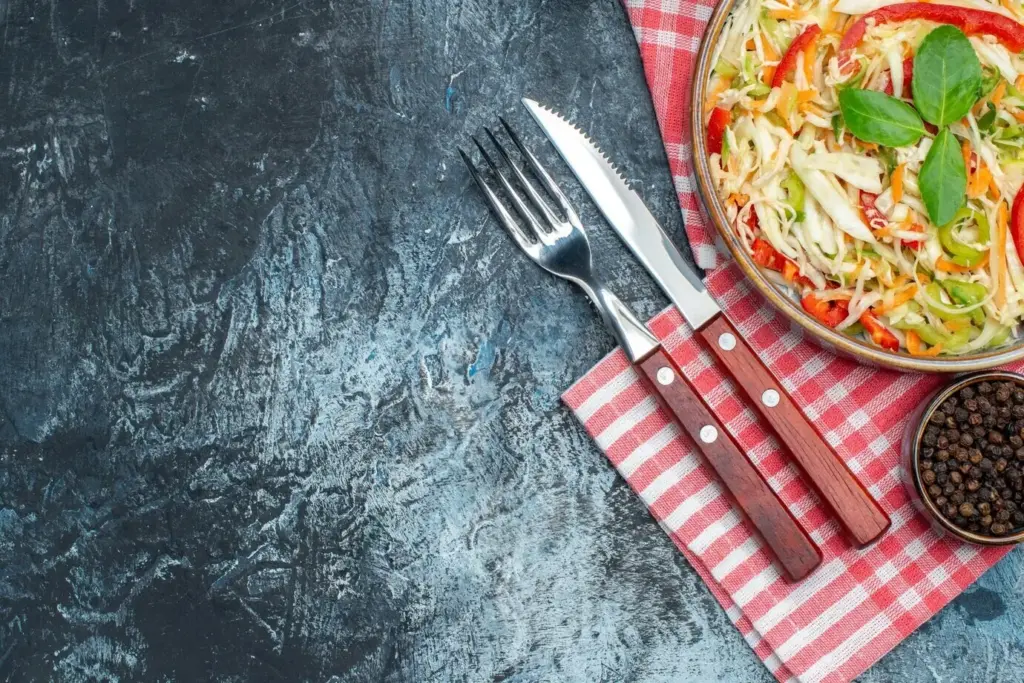
Sight is often the first doorway to appetite. Arrange ingredients so colors converse: emerald herbs near golden grains, creamy whites beside ruby tomatoes. Even a simple meal brightens under warm light, textiles with gentle texture, and uncluttered surfaces. Plates do not require perfection; they simply benefit from intentional contrast and breathing room. Let the eyes lead the way to curiosity, then allow the tongue to follow with joyful attention and openness.

01

Contrast That Sparks Attention

Place roasted carrots beside yogurt, crown them with pistachio and dill, and watch interest ignite. Contrast guides the gaze along a path, setting pace and direction. When the plate becomes a landscape of peaks and valleys, the mind slows to explore. This playful composition invites slower bites, richer noticing, and surprising delight without relying on complicated techniques or expensive tools.

02

Natural Light, Evening Glow

Whenever possible, serve near a window and let daylight carry colors honestly. At night, favor warm bulbs or a single candle to soften edges and calm the room. Harsh overhead glare can strain eyes and quicken chewing. Gentle light signals safety, patience, and trust. What you see becomes an invitation to linger, which subtly improves digestion and the ease of conversation at every shared table.

03

Edible Art Without Fuss

Stacking is optional; intention is essential. A drizzle traced with a spoon’s back, a sprinkle of flaky salt, or a few torn herbs can transform the ordinary. Think in shapes: circles of citrus, shards of cheese, sprigs like brushstrokes. Tiny creative gestures activate the visual sense, announcing that care is present and your attention matters as much as the ingredients themselves.

Aromas That Prime Memory and Anticipation

Scent reaches memory faster than words. Let onions sweat slowly, toast spices briefly, or bruise herbs between fingers to wake deeper stories. Carry a steaming pot through the room before serving and notice how conversation pauses. Aromas build narrative arcs: opening notes of citrus, middle swirls of caramelization, final whispers of vanilla or smoke. When fragrance is invited intentionally, expectations soften and hunger feels like a friendly drum guiding everyone home.

Texture, Sound, and the Music of Eating

Texture and sound are secret conductors of satisfaction. The crisp of a crust, the hush of a spoon through soup, the faint crackle of a salad as it settles—each tells the palate where to pay attention. Pair opposites: creamy polenta with snap peas, silky tofu with roasted peanuts. Turn down distracting clatter, select a playlist that breathes, and let the table become a small orchestra that steadies pace and brightens appetite.

Crisp Meets Creamy

Combine crunchy breadcrumbs with a soft gratin or sprinkle toasted seeds over yogurt to create contrast that lingers. Texture wakes sleepy bites and reduces the urge to rush. Each mouthful becomes a conversation between edges and silk. Share your favorite crisp element—nuts, shards, cracklings—and notice how even leftovers transform when one lively crunch enters the scene.

Quiet Utensils, Confident Bites

Choose bowls that soften clinks and napkins that embrace the gentle pause. Stir from the rim inward to reduce metallic notes, and avoid stacking plates loudly between courses. Lower sound levels help your nervous system find restful focus. The quieter the background, the more easily subtle cinnamon, mint, or char will appear, surprising you like friendly footsteps on a familiar path.

Pace, Portions, and Conversation That Nourish

Presence grows when pace becomes intentional. Smaller servings encourage second looks, while deliberate refills keep curiosity alive. Conversation prompts like “What surprised you today?” redirect attention toward discovery rather than productivity. Chewing until textures resolve lets flavors harmonize and gives fullness time to arrive. Build breaks between courses, pass baskets slowly, and invite stories as seasonings. Your table becomes a circle where bodies listen to themselves and to one another with generous ease.

Rituals For Families, Roommates, and Solitary Suppers

Tiny Hands, Big Sensations

Invite children to crackle lettuce, smell herbs, and sort ingredients by color. Give them a safe job like tearing basil to awaken ownership and attention. Playfully ask which sound dinner makes tonight. Sensory play reduces pickiness and builds trust. Celebrate one discovery at the table and encourage kids to teach a grown-up the new ritual tomorrow.

Roommates, Boundaries, and Shared Rhythm
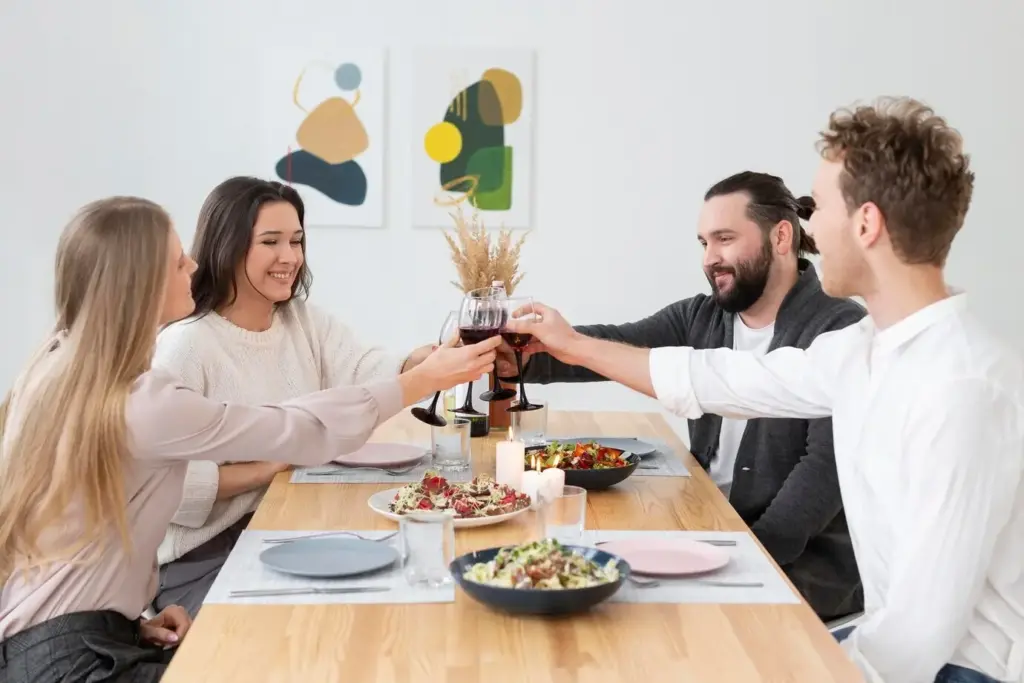
When schedules clash, choose one weekly meal to practice slower noticing together. Set a twenty-minute window with phones away, music soft, and portions small. Rotate a sensory host who leads a brief aroma moment or texture spotlight. Clear agreements create harmony. Share tips afterward in our comments so others can borrow your simple, durable rituals for busy homes.

A Solo Table Worth Dressing

For solitary suppers, light one candle, plate food on your favorite dish, and choose a song that matches your mood. Name three colors, two aromas, and one texture before the first bite. Self-hospitality is a skill that grows presence and steadies emotions. Tell us what small detail most transformed your solo meal tonight, and inspire another reader to try it tomorrow.
Munonilifuraruronoza
Privacy Overview

This website uses cookies so that we can provide you with the best user experience possible. Cookie information is stored in your browser and performs functions such as recognising you when you return to our website and helping our team to understand which sections of the website you find most interesting and useful.