Aromas as the First Course

Before a bite reaches the tongue, scent is already plating expectations. In Aromas as the First Course: How Scent Shapes the Meal Experience, we reveal science, chef tactics, space design, and rituals that turn fragrance into appetite, memory, dialogue, and deeply satisfying flavor.

Anticipation on the Nose

Long before taste buds identify sweet, salty, or umami, airborne molecules set the stage. Orthonasal and retronasal pathways color expectations, modulate perceived intensity, and even change texture judgments. Understanding this invisible overture helps cooks guide emotions, reduce noise, and let dishes speak clearly from the very first inhalation.

Crafting Fragrance in the Kitchen

Technique extracts scent as surely as it builds flavor. Toasting, blooming, and the Maillard reaction liberate aromatic families that announce character. Gentle heat and oxygen invite complexity; careless scorching flattens nuance. Cook with your nose, and you plate anticipation that makes the first bite feel inevitable.
Searing proteins and sugars creates hundreds of new molecules, from nutty pyrazines to caramel tones. Manage surface moisture, pan temperature, and time to amplify aroma without bitterness. The goal is a fragrant crust that previews depth while leaving the interior tender, juicy, and inviting.
Aromatic compounds dissolve beautifully in fats, then rise as warm vapor at the table. Butter-basting herbs, perfumed oils, and nut pastes carry complexity into every bite. Balance richness with acidity and crunch so fragrance leads, while the palate stays refreshed, alert, and eager.

Room, Plate, and Airflow

What floats through the dining room matters as much as what simmers on the stove. Competing odors dull appetite and confuse narratives. With considered ventilation, smart tableware, and a mindful service path, you can stage a calm aromatic spotlight where each dish truly belongs.

Scent Zoning and Ventilation

Keep coffee grinding, frying, and dishwashing far from guests’ noses. Use hoods and gentle cross-breezes to move heavy smells away, not toward. Even in a small home, a cracked window and a candle snuffer can rescue nuance and restore appetite between courses.

Tableware That Breathes

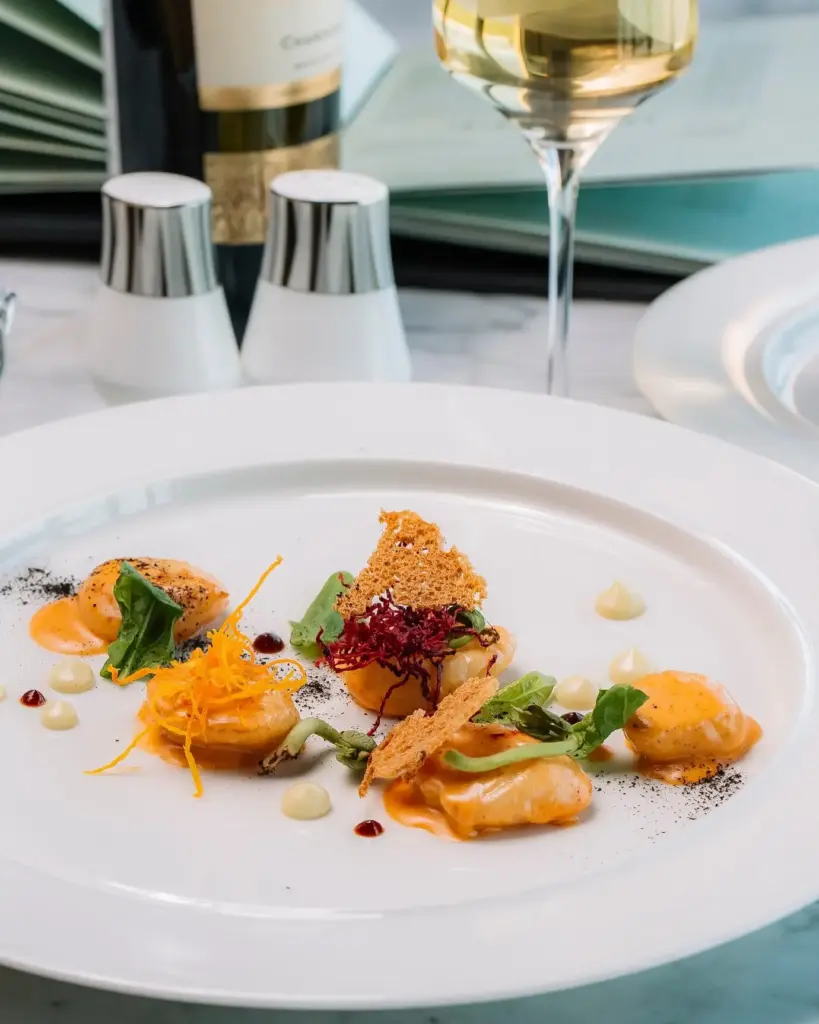
Cloche lifts, porous ceramics, and wide bowls can trap or release fragrance artfully. Presenting a dish under glass builds suspense; unveiling at the table concentrates attention. Choose shapes that direct vapors upward, inviting diners to lean in and savor before utensils disturb the surface.

Service Choreography

Coordinate doors, footsteps, and plate distance from faces. Servers should avoid trailing competing scents, including strong perfumes. Approach from the side, pause briefly to let the bouquet rise, then land softly. Those seconds create quiet theater, and the entire room suddenly tastes with its nose.

The Bread That Stopped Conversation

A baker once told me steam from a loaf is the grain’s last song. When a crust cracks and nutty warmth escapes, people pause instinctively. Serve bread at that moment, and the table unites quietly, listening, before words return enriched and generous.

The Citrus That Traveled Oceans

A single twist of yuzu over sashimi can fold an entire coastline into a bite. Bright oil mists carry salt memories, dock ropes, morning markets. Guests inhale, see distant water in their minds, and approach the first mouthful already half transformed by imagination.

A Smoke That Healed a Winter Night

When Lapsang steam wound through a cramped apartment, the cold retreated. Beans simmered, a candle flickered, and piney smoke wrapped the room like a blanket. No miracle—just scent reminding bodies they were safe, fed, and welcome to linger longer.

Train Your Nose, Elevate Your Plate

Practice makes fragrance legible. With a few playful drills, you can identify families, link them to textures, and cook more confidently. Treat the nose like a muscle: warm it up, challenge it gently, record discoveries, and invite friends to compare notes around generous snacks.

Five-Minute Mise en Nose

Pick three pantry items, close your eyes, and inhale lightly, then deeply. Describe in verbs, not nouns: blooming, crackling, cooling. Write what each scent makes you expect from a bite. Over a week, patterns appear, and your cooking begins anticipating those desires with focus.

Blindfolded Bite and Breathe

Have a partner pass simple tastes while you smell related jars: vanilla with yogurt, cumin with roasted carrots, rosemary with oil. Notice how inhaling while chewing creates different stories than sniffing before. This exercise clarifies the power of retronasal pathways in joyful, surprising ways.

Build a Home Aroma Library

Collect tiny bottles of oils, spices, peels, teas, and toasted nuts. Label dates, origins, and associations. Revisit monthly to track changes, because oxidation and storage transform character. This simple library becomes a map for crafting menus that sing before forks ever touch plates.

Programming a Fragrant Menu

Treat a meal like a concert, arranged by aroma intensity and style. Early whispers build intrigue; a mid-course swells warmly; the finale sighs, not shouts. Avoid clashes between smoke and citrus, or dill and cocoa, and let each plate pass the aromatic baton gracefully.

Start with a Whisper, Not a Shout

Begin with steamed seafood, tender greens, or broth scented with ginger. These gentle signals wake curiosity without tiring noses. If bread arrives hot, keep butter cultured and restrained. The goal is alert conversation, not saturation, setting up deeper notes to land later.

Contrast and Echo

Let a roasted carrot course echo cumin from the opener while contrasting with a cool yogurt smoke. Repeating a note quietly unifies the arc; placing a new note boldly refreshes attention. Balancing these moves keeps appetite bright and storylines coherent across courses.

Closing Notes That Linger Kindly

End with aromas that comfort rather than overwhelm. Think toasted buckwheat ice cream, orange blossom tea, or a small square of dark chocolate with warm spice. The room exhales, conversation stretches, and guests leave scented with calm, not noise or fatigue.

Your Kitchen, Your Story

Post a memory in the comments: a stove hiss, a garden handful, a grill’s first puff after rain. Describe how it changed the bite that followed. We will weave standout tales into future menus and credit your kitchen’s wisdom prominently and gratefully.

Subscribe for Weekly Aroma Experiments
Each week we’ll share a simple test, from toasting times to herb temperature tricks, plus stories from readers and chefs. Subscribe, try one at home, and report back. Together we’ll build a generous playbook where fragrance always leads kindness to the table.
Munonilifuraruronoza
Privacy Overview

This website uses cookies so that we can provide you with the best user experience possible. Cookie information is stored in your browser and performs functions such as recognising you when you return to our website and helping our team to understand which sections of the website you find most interesting and useful.