Feast for the Senses: Crafting Unforgettable Multi‑Sensory Dinner Experiences
Designing the Atmosphere: Sight, Space, and Flow
Layered Lighting That Paints the Evening
Use dimmers, candles in protective glass, and focused lamps to sculpt zones without glare. Lower levels as courses deepen, then lift brightness for dessert theater. I once shifted hue toward amber during a roasted pear course; guests leaned in, tasting caramel notes before the fork arrived.
Tablescapes That Invite Discovery
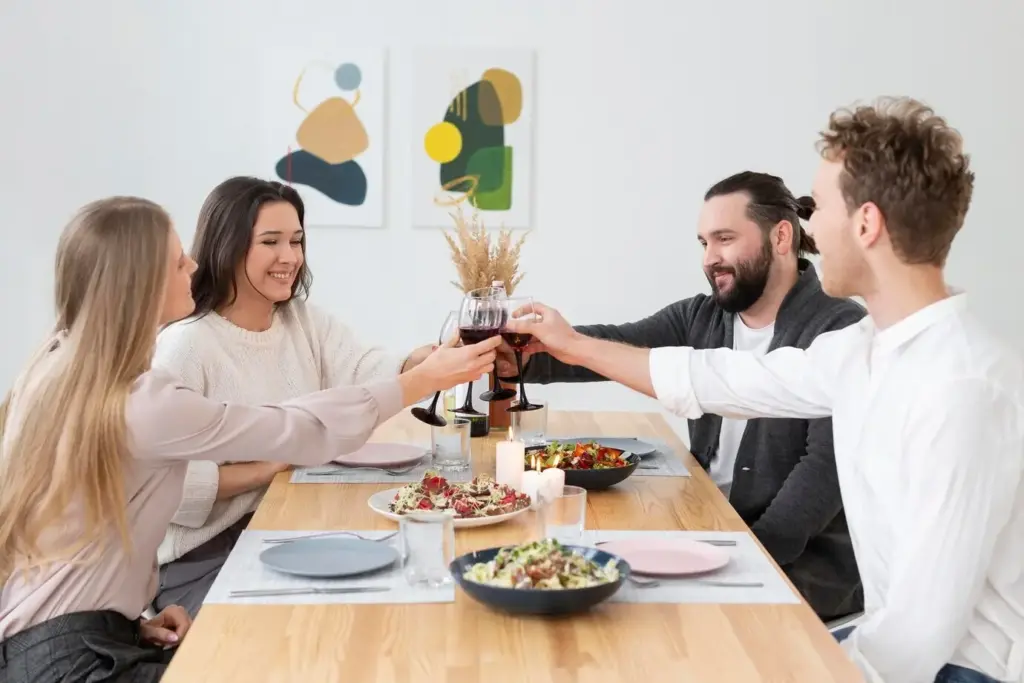
Layer heights with risers, branches, and low bowls so eyes travel naturally without blocking faces. Mix matte plates with reflective chargers to catch flickers. Include small discoveries—pressed herbs under glass, handwritten place notes—so fingers and eyes explore between bites, building anticipation without cluttering service pathways.
Seating and Movement That Encourage Connection
Seat introverts near anchors like plants or walls, extroverts along aisles where energy flows. Use mixed chair textures and cushion depth to change posture subtly through courses. Stagger service points so guests stand, rotate, and mingle without bottlenecks, transforming circulation into serendipitous conversation starters.
Flavor Architecture: Building Taste Memories
Contrast and Complement in Each Course
Build plates around a starring contrast—acidic citrus against creamy burrata, pepper heat cooled by yogurt, crunchy seeds on silk-smooth purée—then add a complementary bridge. That bridge, like a herb oil or toasted spice, helps disparate notes harmonize, letting palates relax while staying intriguingly alert.
Temperature, Texture, and Timing Choreography
Serve a chilled spoon immediately after a sizzling skillet arrives to amplify contrast without shocking mouths. Stagger crunch and cream in each bite. Use resting times strategically; a minute of patience can transform sharp edges into rounded, memorable depth guests will describe days later.
Signature Scented Garnishes and Aromatic Trails
Infuse napkins lightly with citrused rosemary water, or torch a cinnamon stick tableside so aroma arrives first. A micro-dosed mist near the entrance creates continuity. Keep intensities gentle—enough to frame flavors, never overpower—so each breath guides expectations and sharpens attention to delicate layers.
Soundscapes That Set the Pace
{{SECTION_SUBTITLE}}
Curated Playlists Synced to the Menu

The Music of the Room: Porcelain, Glass, and Conversation
Touch and Tactility at the Table

Storytelling and Ritual

Practical Planning, Budgets, and Logistics
All Rights Reserved.